How do spectators follow live rounds in a CS2 skin battle?
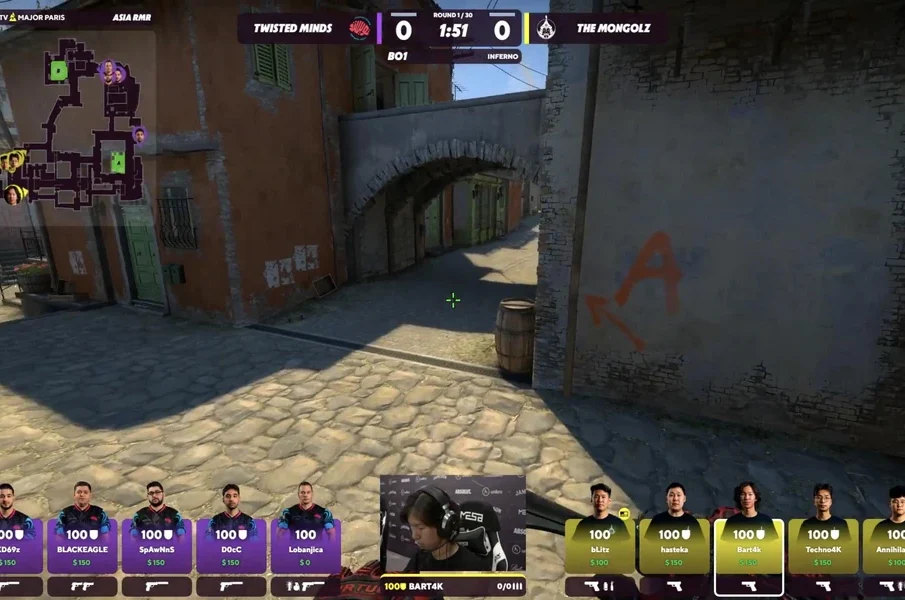
Spectating a live round gives observers a real-time view of case openings as they resolve across all active participants simultaneously. case battles present this through a live display that updates with each result as it surfaces, meaning spectators follow the session as it unfolds rather than reviewing outcomes after the round concludes. Every skin drop, rarity grade, and float value becomes visible at the moment it is generated, giving observers the same result information that participants see during active play. This live visibility is what separates spectating a battle round from reviewing a recorded session.
Observers in a live round track how the collective result sequence develops across multiple participants in parallel, noting which cases produce higher-tier outcomes and how the pool distributes results as openings progress. The session builds in observable stages rather than delivering all outcomes simultaneously, creating a structured viewing experience where each opening adds new information to the developing round picture. Spectators who engage with multiple sessions over time develop a sharper ability to read live result sequences, recognising distribution patterns as they emerge rather than only identifying them after a round has fully concluded.
How do observers track results?
Spectators follow live rounds by reading result displays as each opening resolves across all participants. The information presented covers rarity grade, wear condition, and item identity for every drop as it appears. Rarity grades surface alongside float values at the moment of generation, giving immediate visibility of both variables per drop. Reading results across multiple participants simultaneously requires observers to follow several result streams at once, which becomes more manageable as familiarity with the live display format develops through repeated sessions. Observers who track both rarity grade and float value as each drop surfaces build a more layered reading of how the session is progressing rather than focusing on isolated results. Identifying which participants’ openings are consistently producing higher-tier outcomes mid-round gives spectators a clearer picture of how case selection is influencing the collective result sequence before the round reaches its final stages.
Patterns visible during rounds
Live rounds reveal distributional patterns that are not apparent from reviewing final results alone. Rarity distribution rarely spreads evenly across a session, and higher-tier results appear at irregular intervals rather than at predictable points within the opening sequence.
- Clusters of mid-tier results appearing before a covert drop illustrate irregular distribution in ways final summaries do not capture.
- Float value patterns become observable across a session as each drop surfaces with its wear condition attached.
- Observers tracking both rarity grades and float values simultaneously develop a more complete reading of how the lobby’s case composition is performing across the round.
- Longer sessions with higher case volumes produce more visible pattern data than shorter sessions, giving spectators more reference points to work with before the round concludes.
A session watched from the first opening to the last produces a fundamentally different understanding of result distribution than reviewing the same outcomes presented as a completed list. The live format makes distribution timing and rarity clustering visible in real time, which is information that post-round summaries do not retain once the sequence has resolved.





-
Do players access BTC Monopoly Roulette through standard live lobbies?
btc monopoly roulette appears within the live casino lobby section alongside standard ...